


Mold Prevention: The Complete Guide to Keeping Your Home Mold-Free
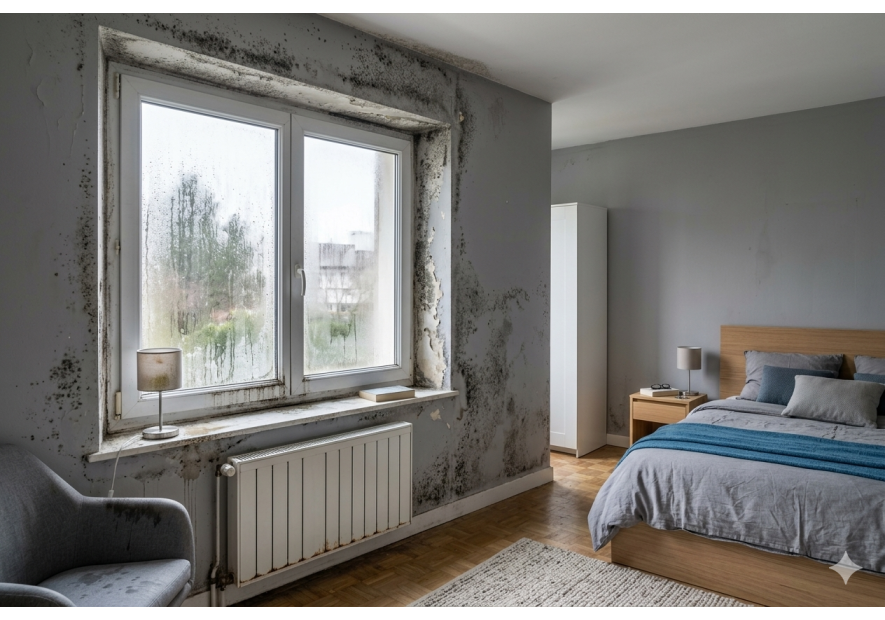
Moisture in the home is not just a matter of aesthetics or dark stains on a wall. It is a genuine public health challenge that affects a significant portion of the French population. When it comes to preventing mold, it is essential to understand that these microorganisms never appear by chance: they are the visible symptom of an invisible imbalance in your indoor air. Knowing how to identify them, understanding their biology, and above all, measuring the factors that promote their growth is the key to protecting your property and your health in the long term.
An alarming finding: millions of homes are affected
If you have condensation on your windows or a musty smell in your bathroom, you’re not alone. According to various surveys conducted by the Observatory of Indoor Environment Quality (OQEI), it is estimated that approximately 20% to 40% of homes in France show visible signs of excessive moisture or mold growth.
This figure is all the more concerning because energy poverty is forcing some households to limit their heating or block air vents to conserve heat. Unfortunately, this thermal insulation is the number one enemy of mold prevention, creating a closed environment where water stagnates and fungi thrive.
Profile: What Is Mold?
Molds are microscopic fungi. Unlike plants, they do not perform photosynthesis; they feed on organic matter found in our homes, such as wallpaper, drywall, dust, wood, or even certain textiles.
Their development cycle consists of three stages:
Spores
They're everywhere, floating naturally in the air. You can't get rid of them completely.
Food (the substrate)
Modern building materials are full of them (cellulose, adhesives, paints).
Ambient humidity
This is the only factor we can control. Without water, the spore remains dormant. As soon as the relative humidity exceeds 60–65% for an extended period, or condensation forms on a cold surface, the biological process begins. Mold prevention therefore essentially consists of breaking this chain of survival by controlling the humidity level.
Health Risks: When the Air Becomes Toxic
Living in a contaminated environment is not without consequences. Mold releases spores, cellular debris, and volatile organic compounds (VOCs) into the air, which can affect the immune system.
Irritations and allergies
The initial reaction is often allergic. Residents may suffer from chronic rhinitis, conjunctivitis, dry coughs, or worsening asthma. For children, living in a damp home significantly increases the risk of developing long-term respiratory conditions.
The Danger of Pathogens: Aspergillosis
Beyond allergies, certain species such as Aspergillus fumigatus can become actual pathogens. Aspergillosis is a serious lung infection that occurs when spores colonize the respiratory tract. While it primarily affects immunocompromised individuals, a high concentration of spores in a poorly ventilated home poses a risk to everyone. Mold prevention is therefore a vital precautionary measure, far beyond mere domestic comfort.
Measuring humidity: the cornerstone of a prevention strategy
What can you do before the first black spots start appearing behind your furniture? The answer is scientific: you need to take measurements. Measuring indoor humidity is the first step you should take to effectively prevent mold.
"You can only manage what you measure"
This saying really rings true here. Air that feels "dry" to us can actually be saturated with moisture if the walls are cold.
Why is this measure a priority?
This measurement helps identify areas at risk before the damage becomes irreversible. The ideal humidity level should be between 40% and 60%. If your readings regularly show spikes up to 70%, you know that your ventilation system (CMV) is either undersized or clogged, or that your lifestyle habits (drying laundry indoors, taking long showers without exhaust ventilation) need to change.
The Scan4Home solution
At Scan4Toxic, we’ve selected simple, cost-effective tools that allow you to accurately assess your indoor air quality. Our testing kits and monitoring solutions provide you with a clear picture of the situation. By combining humidity measurement with chemical pollutant analysis, you can establish a robust defense against mold. This allows you to:
- Verify the effectiveness of your ventilation system.
- Detect air leaks or thermal bridges that are invisible to the naked eye.
- Take targeted action rather than investing in superficial fixes that don’t address the root cause.
Mold prevention is a comprehensive process that starts with understanding your environment. By monitoring the humidity levels in your home and staying alert to early warning signs, you can ensure that your family breathes clean, healthy air free from fungal threats.
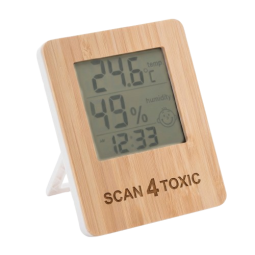

Scan4Home - Mold Prevention Scan4Home - Mold Prevention
Electronic sensor for measuring ambient temperature and...
Electronic sensor for measuring ambient temperature and humidity. Prevention of indoor air pollution caused by mold.
Price €19.90