


Personal Protective Equipment and Occupational Exposure to CMRs: The Winning Combination for Your Safety
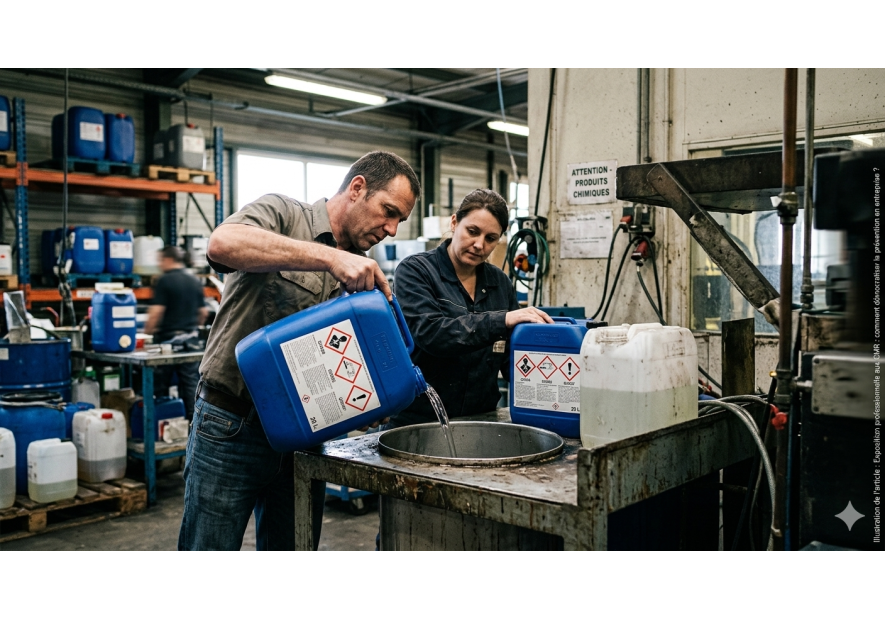
In the industrial world, chemical hazards remain an insidious threat. Among the most serious dangers, occupational exposure to CMRs plays a central role. These agents, classified as carcinogens, mutagens, or reprotoxic substances, pose a major challenge to occupational health. Too often underestimated, they have long-term effects, turning routine technical tasks into potential dangers for workers’ future health. The prevention of occupational diseases can no longer be a mere recommendation; it must become an operational priority.
What is a CMR chemical?
As a reminder, CMR substances are chemicals whose hazards are strictly regulated:
- Carcinogen: A substance that can cause cancer or increase the incidence of cancer.
- Mutagen: A substance capable of altering the genetic information in cells.
- Reprotoxic: A substance that can impair fertility or fetal development.
The danger they pose lies in their ability to enter the body, often in very low concentrations, through inhalation or skin contact.
PPE: Your Last Line of Defense
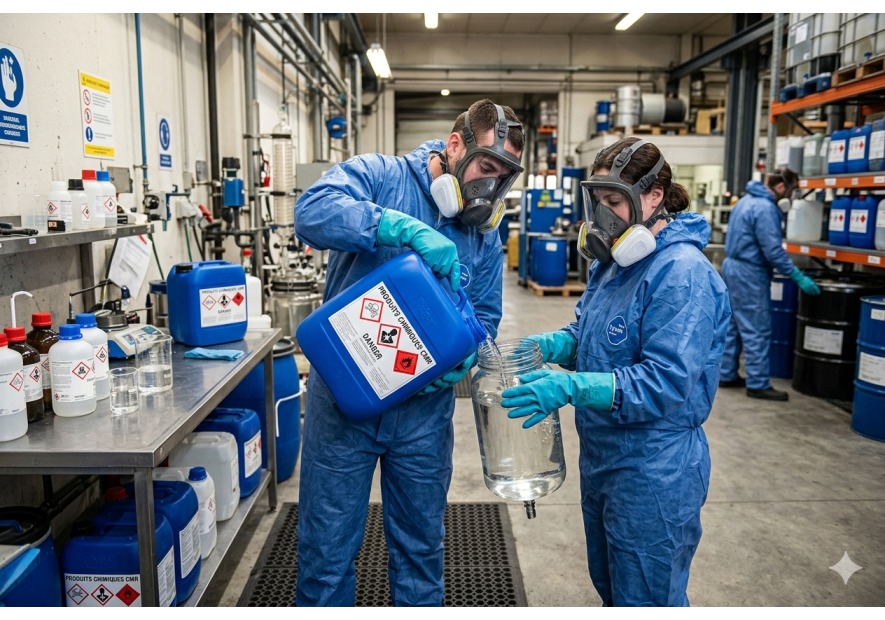
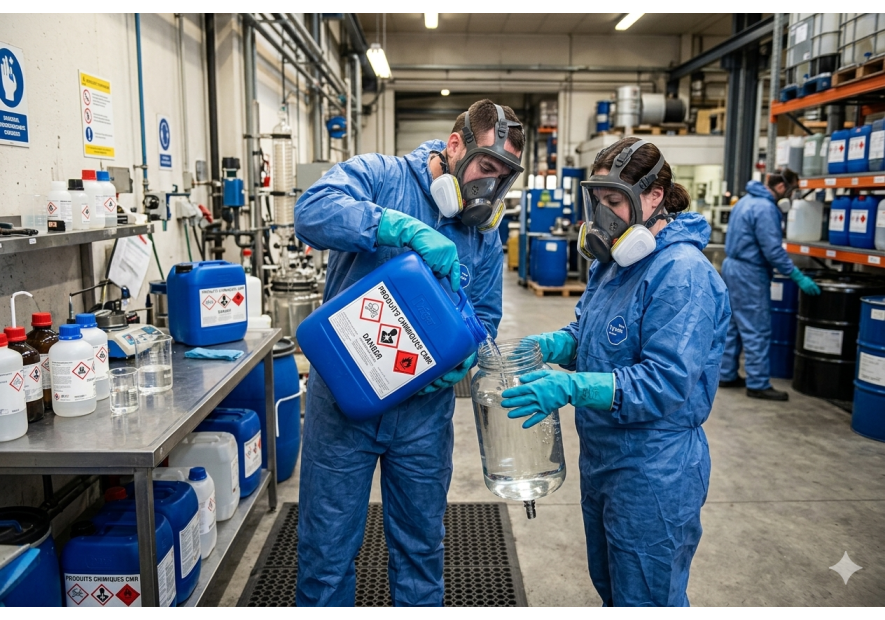
When collective protection measures (such as local exhaust ventilation and automation) are insufficient to eliminate the risk, personal protective equipment and measures to address occupational exposure to CMRs must be implemented without fail. They serve as the final safety barrier between the chemical and the worker’s body.
Respiratory protection
Inhalation is the most common route of exposure. To protect against this, the choice of PPE must be appropriate for the nature and concentration of the contaminant:
- Self-filtering masks (FFP2 or FFP3): For dust and fine particles.
- Cartridge respirators (A, B, E, K, P): Essential for protection against organic, acidic, or ammonia gases and vapors. It is crucial to select the filter specifically designed for the chemical class being handled.
- Powered air-purifying respirators: Recommended for prolonged work or high-exposure situations to reduce breathing effort and ensure an optimal seal.
Skin protection
The skin is not impervious to CMR chemicals. Even a simple splash or prolonged contact can allow toxic substances to enter the bloodstream.
- Chemical-resistant gloves: Made of nitrile, neoprene, or butyl, depending on the product’s permeation time.
- Type 3, 4, 5, or 6 coveralls: To prevent substances from settling on street clothes or directly on the skin.
- Goggles or face shields: To protect the mucous membranes of the eyes.
Measure to better protect with Scan4Work testing kits
Wearing PPE can be cumbersome. However, it is sometimes used incorrectly or, conversely, overused unnecessarily due to a lack of understanding of the actual risk. This is where the Scan4Work line of testing kits offered by Scan4Toxic becomes essential.
Rather than acting blindly, our kits make it possible to accurately assess occupational exposure to CMR agents in the field.
Risk assessment: Our test kits measure the actual concentrations to which the operator is exposed under real-world working conditions.
Verifying PPE Requirements: Based on our laboratory results, you can finally determine whether the level of risk requires the use of heavy-duty equipment or if additional measures are needed.
Sustainable prevention: Identifying exposure levels helps raise awareness among workers, justifies investment in high-performance PPE, and drastically reduces the risk of reporting occupational diseases in the long term.
Don’t leave your safety decisions to chance. By combining strict compliance with PPE requirements and accurate measurement of occupational exposure to CMRs using the Scan4Work line of testing kits, you can provide your workers with the protection they deserve and give your company the peace of mind that comes with effective risk management.
Scan4Work - Benzene Scan4Work - Benzene
Complete testing kit for measuring air quality in workplaces...
Complete testing kit for measuring air quality in workplaces and occupational exposure to benzene (CAS 71-43-2), classified as carcinogenic and mutagenic. Exposure to benzene can cause occupational diseases.
Price €99.00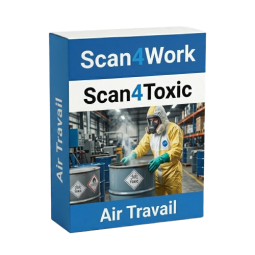
Scan4Work - Formaldehyde Scan4Work - Formaldehyde
Complete testing kit for measuring workplace air quality and...
Complete testing kit for measuring workplace air quality and occupational exposure to formaldehyde (CAS 71-43-2), which is classified as a carcinogen. Exposure to formaldehyde can cause occupational diseases.
Price €99.00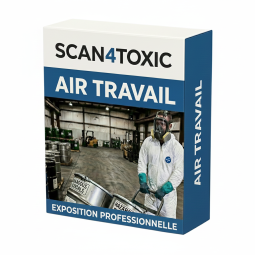

Scan4Air Kit - VOC Screening Scan4Air Kit - VOC Screening
Complete analysis kit for measuring air quality in workplaces...
Complete analysis kit for measuring air quality in workplaces and occupational exposure to VOCs. Exposure to VOCs can cause occupational diseases.
Price €499.00