

When should you have your indoor air quality tested to protect your health?
Today, indoor air pollution has become a major public health concern. We spend most of our time indoors, where the air is often more polluted than the air outside. These pollutants come mainly from renovation and decoration materials, as well as from our daily household activities. To identify these invisible pollutants, conducting an indoor air quality test is an essential preventive measure. But when is it particularly recommended to take action?
When are the best times to assess your environment?
Certain life situations can drastically alter the chemical balance in your home. Here’s when to conduct a thorough assessment:
Renovation and decorating work
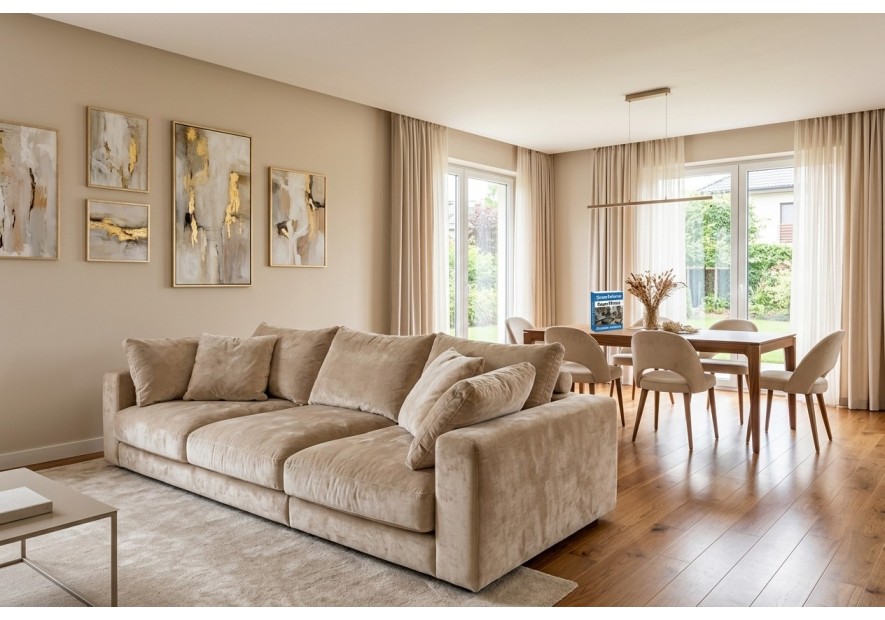
Paints, adhesives, varnishes, and new floor coverings release large amounts of chemical compounds in the weeks following their installation.
Purchase of new furniture
Furniture made of particleboard or reconstituted wood releases high levels of formaldehyde over long periods of time.
Moving In
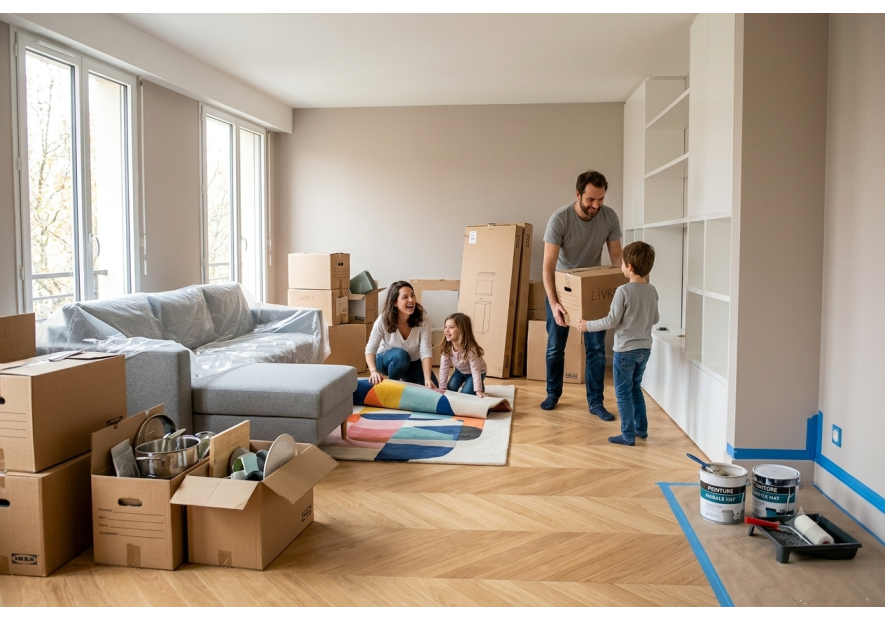
Moving into a new house or apartment requires understanding the chemical legacy left behind by previous occupants or by the existing materials, and ensuring that it won’t make you sick shortly after you move in.
Respiratory health issues
If occupants suffer from asthma, allergies, or COPD, an indoor air quality test can determine whether the environment is exacerbating these conditions. It also helps identify specific solutions to improve living conditions and reduce the significant impact of these conditions on daily life.
After a fire or water damage
These events release particles, toxic and carcinogenic combustion byproducts (PAHs), or promote the growth of mold.
Following energy-efficiency renovations
While insulation improves thermal efficiency, it also increases the building’s airtightness, which promotes the accumulation of indoor pollutants.
Before the arrival of a newborn
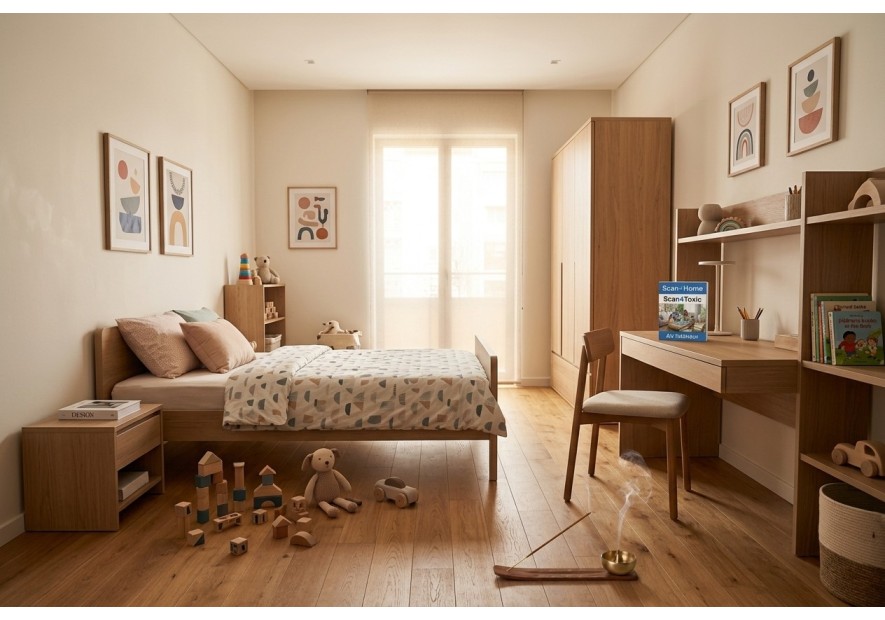
Contrary to popular belief, children’s bedrooms are generally the most polluted rooms in the home. This step is therefore important to ensure that a child’s bedroom does not contain pollutants that could harm their development or delicate health.
The Scan4Home solution: comprehensive expertise
For reliable testing, Scan4Toxic’s Scan4Home line of indoor air quality test kits stands out as the go-to solution for both homeowners and professionals.
This methodology is based on three pillars and is distinguished by its rigor and simplicity:
- Simple sample collection: The kit is easy to use and requires no heavy or electrical equipment.
- Laboratory analysis: Once the samples are returned, they are processed using state-of-the-art analytical techniques.
- Interpreted results and recommendations: You don’t just receive raw data—you get an interpreted report with concrete recommendations for improving indoor air quality in the long term.
These kits enable comprehensive measurement of a wide range of pollutants, including:
- Chemical pollution from VOCs: Notably benzene and formaldehyde.
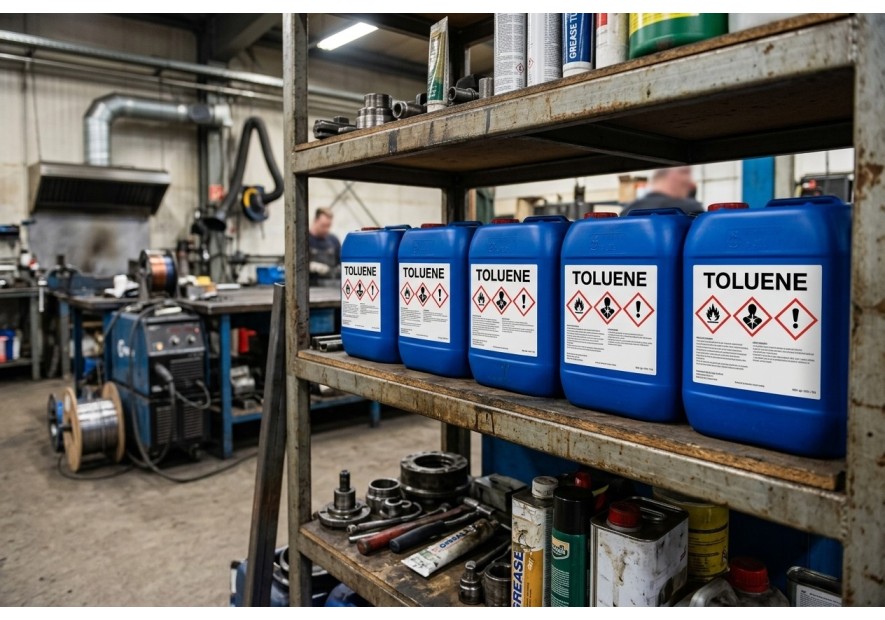
- Chemical pollution from SVOCs (Semi-Volatile Organic Compounds): Such as pesticides, plasticizers (phthalates), combustion residues (PAHs), and flame retardants.
When you choose Scan4Home kits for your indoor air quality testing, you’re opting for an accurate and comprehensive assessment that lets you take back control of the air you and your loved ones breathe every day.
Scan4Home - Aldehydes Scan4Home - Aldehydes
Complete Indoor Air test kit to measure aldehydes and ketones...
Complete Indoor Air test kit to measure aldehydes and ketones in in indoor air of homes or offices and to assess the indoor air quality. Measures over 10 aldehydes and ketones. Indoor air contains many toxic chemicals, and testing it allows you to take steps to protect your health on a daily basis.
Price €199.00
Scan4Air - Indoor Air Screening Scan4Air - Indoor Air Screening
Complete test kit to measure Volatile Organic Compounds (VOCs)...
Complete test kit to measure Volatile Organic Compounds (VOCs) in indoor air pollution in homes and offices, featuring non-targeted screening and quantitative analysis of over 30 VOCs. Indoor air contains many toxic chemicals, and testing it allows you to take steps to protect your health on a...
Price €499.00

Scan4Home - Indoor Air Scan4Home - Indoor Air
Complete test kit to measure Volatile Organic Compounds (VOCs)...
Complete test kit to measure Volatile Organic Compounds (VOCs) and aldehydes in indoor air in homes and offices. Measures over 60 VOCs and aldehydes. Indoor air contains many toxic chemicals, and testing it allows you to take steps to protect your health on a daily basis.
Price €299.00