
VOC Analysis: Understanding and Controlling Indoor Air Quality
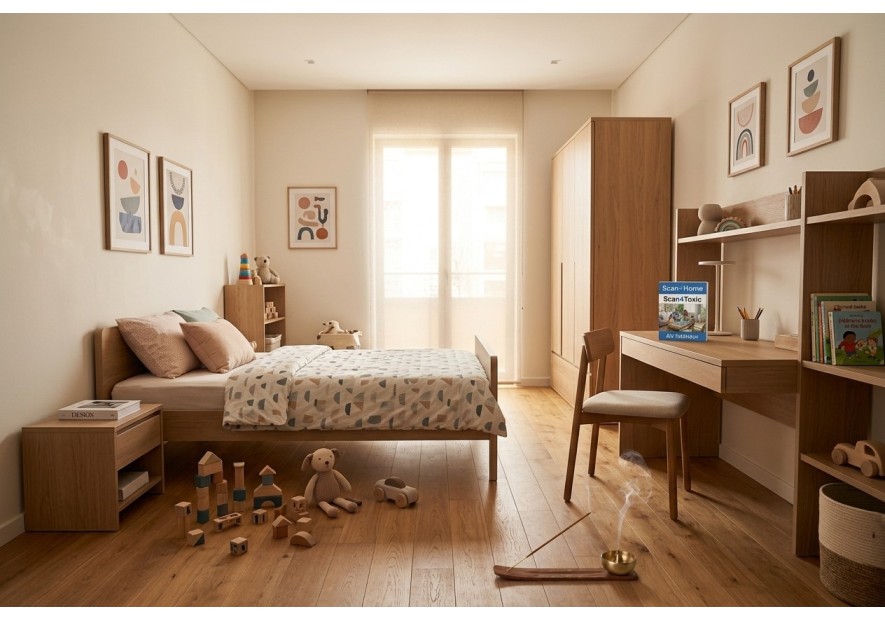
The indoor air we breathe contains a multitude of invisible substances, the most significant of which are Volatile Organic Compounds (VOCs). These molecules, which are characterized by their ability to evaporate at room temperature, are ubiquitous in our homes. Conducting a VOC analysis has become essential for identifying these pollutants and protecting our health in the long term.
What are VOCs, and where do they come from?
VOCs are carbon-based chemical compounds that easily diffuse into the air in gaseous form. Indoors, they come mainly from three sources:
Building materials and furnishings: Adhesives, varnishes, paints, and particleboard continuously release pollutants for months or even years.
Household and cosmetic products: Detergents, air fresheners, scented candles, room fragrances, and personal care products are major sources of emissions.
Lifestyle habits: Cooking, tobacco use, and supplemental heating directly affect the composition of the air.
The Different Families of VOCs and Their Common Sources
Unlike electronic IAQ sensors, laboratory analysis of VOCs makes it possible to distinguish between several chemical families, each with specific industrial applications:
Aldehydes: Formaldehyde, acetaldehyde, hexanal (wood furniture, adhesives, household products)
Aromatic Hydrocarbons: Benzene, toluene, ethylbenzene, xylenes (cigarette smoke, solvents, paint)
Terpenes: Limonene, pinene, eucalyptol (cleaning products, air fresheners, essential oils)
Chlorinated solvents: Trichloroethylene, tetrachloroethylene, dichlorobenzene (degreasers, fabric care products, moth repellents)
Glycol ethers: Methoxyethanol, ethoxyethanol (Paints, varnishes, cleaning products)
Ketones: Acetone (Nail polish removers, varnishes, glues)
Proven Health Risks: The Impact of Chronic Exposure
Prolonged exposure to these substances can cause serious health effects. VOC testing is recommended as soon as symptoms appear:
Immediate irritation: Inflammation of the eyes, nose, and throat, often associated with aldehydes.
Respiratory Diseases: VOCs act as triggers or aggravating factors for asthma and COPD.
Neurotoxic effects: Headaches, dizziness, and chronic fatigue, often caused by prolonged exposure to solvents.
Carcinogenic risks: Certain VOCs, such as benzene and formaldehyde, are classified as known or suspected carcinogens.
The 5 Steps to Conducting Your VOC Analysis
Measuring indoor pollution is now easy thanks to Scan4Toxic's solutions:
1. Order: Get your VOC testing kit in just a few clicks directly from the Scan4Toxic website.
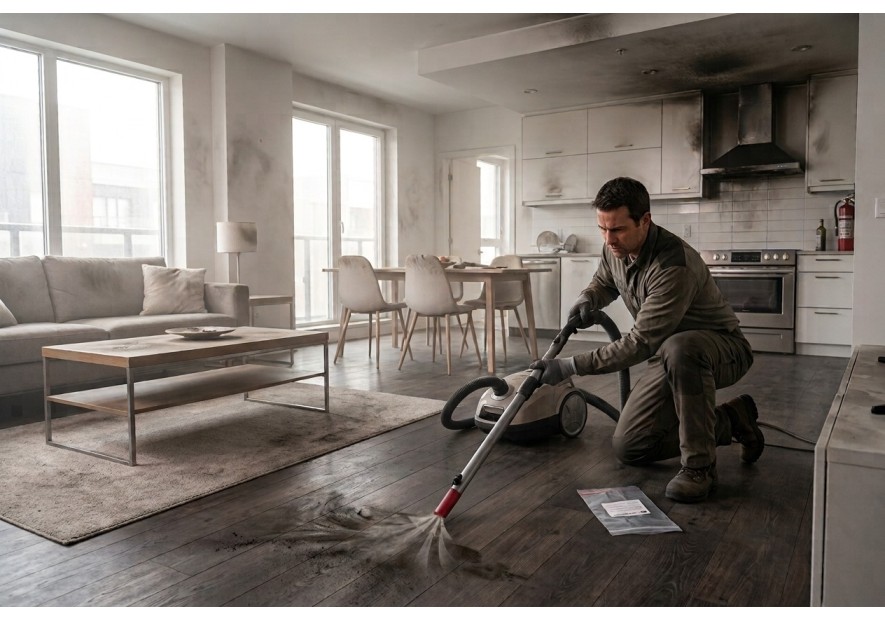
2. Placing the passive samplers: Simply place the sensors in the chosen room (preferably bedrooms) for one week. No noisy or electrical equipment is required.
3. Shipping: Once the air sample has been collected, return the samplers to the lab using the prepaid envelope included in your kit.
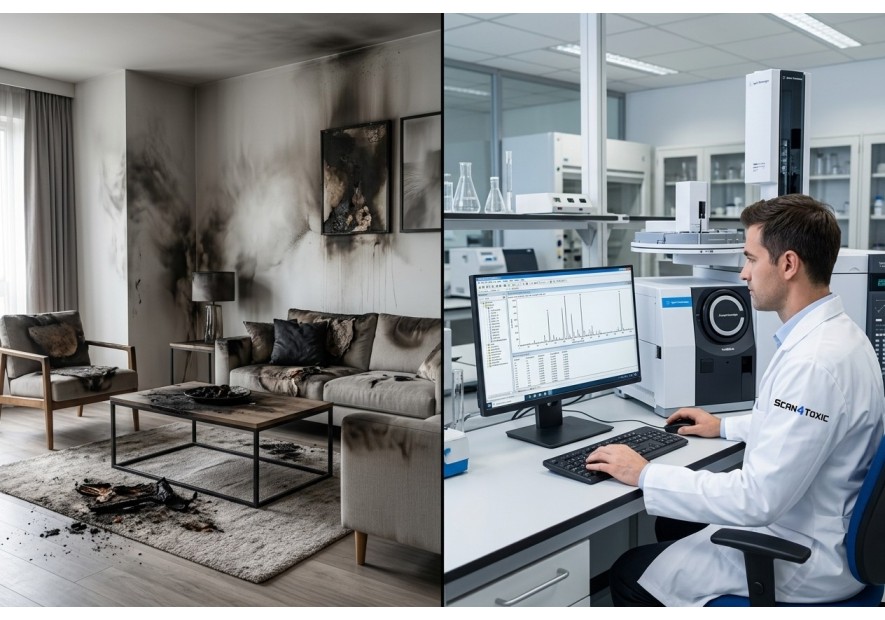
4. Laboratory Analysis: Scan4Toxic’s experts process your samples using state-of-the-art techniques (chromatography and mass spectrometry) to reliably identify the VOCs present and quantify them accurately.
5. Comprehensive Report: You will receive a VOC analysis report that includes an interpretation based on the Indoor Air Quality Guidelines (IAQG) and national data from the OQEI, along with personalized recommendations.
Thanks to this expertise, you’ll receive an accurate assessment that will help you make concrete improvements to your everyday environment.
Scan4Home - VOC Scan4Home - VOC
Comprehensive testing kit to measure Volatile Organic...
Comprehensive testing kit to measure Volatile Organic Compounds (VOCs) in indoor air of homes or offices and to assess the indoor air quality. Measures over 30 VOCs. Indoor air contains many toxic chemicals, and testing it allows you to take steps to protect your health on a daily basis.
Price €199.00
Scan4Work - Formaldehyde Scan4Work - Formaldehyde
Complete testing kit for measuring workplace air quality and...
Complete testing kit for measuring workplace air quality and occupational exposure to formaldehyde (CAS 71-43-2), which is classified as a carcinogen. Exposure to formaldehyde can cause occupational diseases.
Price €99.00

Scan4Home - Indoor Air Scan4Home - Indoor Air
Complete test kit to measure Volatile Organic Compounds (VOCs)...
Complete test kit to measure Volatile Organic Compounds (VOCs) and aldehydes in indoor air in homes and offices. Measures over 60 VOCs and aldehydes. Indoor air contains many toxic chemicals, and testing it allows you to take steps to protect your health on a daily basis.
Price €299.00