

How can you assess pollution levels after a fire using dust analysis?
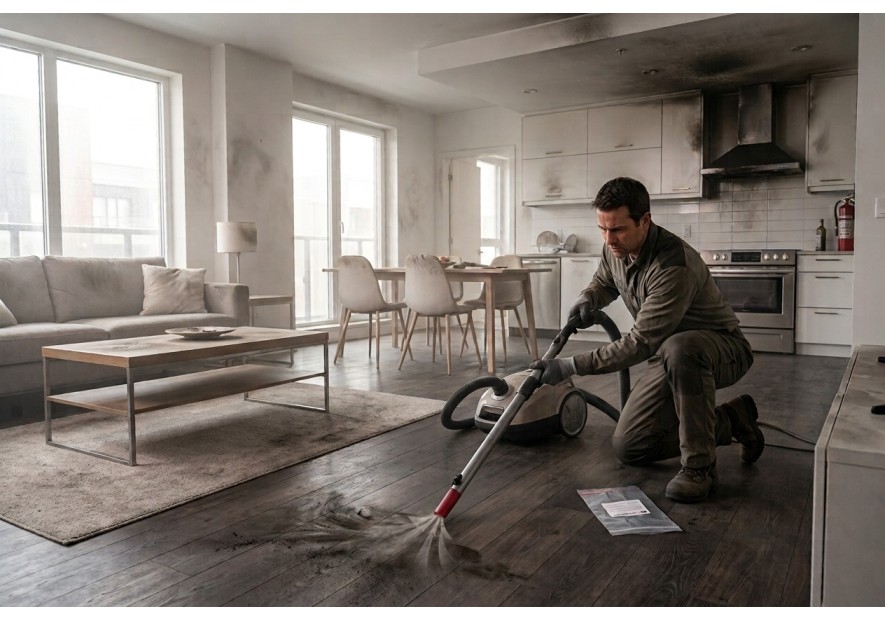
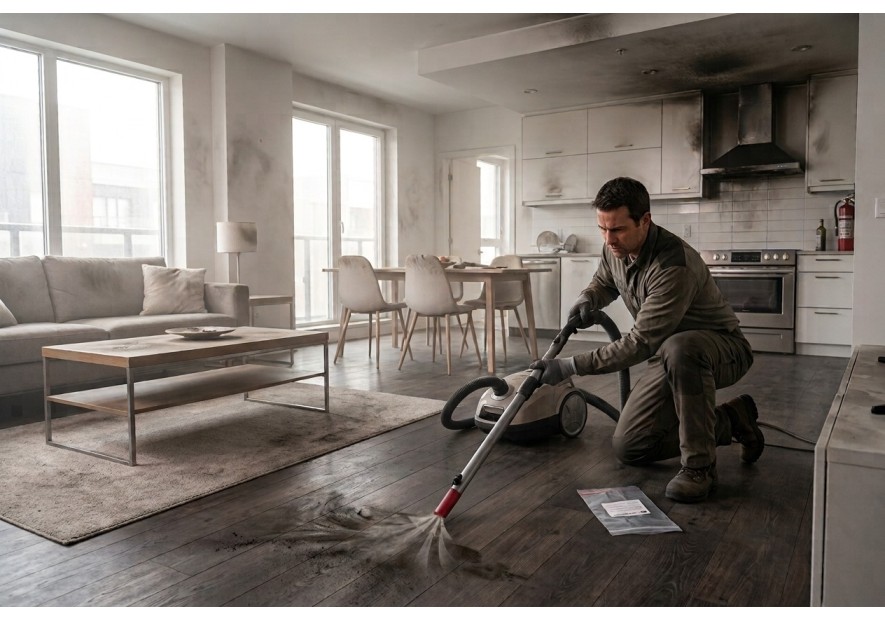
A fire—whether it’s a house fire, an industrial fire, or a wildfire—leaves behind more than just visible damage. The incomplete combustion of synthetic materials, electronic equipment, wood, or structures generates a massive amount of toxic smoke and chemical compounds. Once the fire is extinguished, these pollutants do not disappear on their own: they settle on surfaces in the form of soot and fine particles. To accurately characterize post-fire pollution, the analysis of household dust stands out as the most reliable and representative diagnostic tool.
Why is dust the key piece of evidence in an accident?
During a fire, high temperatures cause the pyrolysis and combustion of many plastics, resins, paints, and insulation materials. This process releases a complex mixture of air pollutants, including semi-volatile organic compounds (SVOCs) and microparticles.
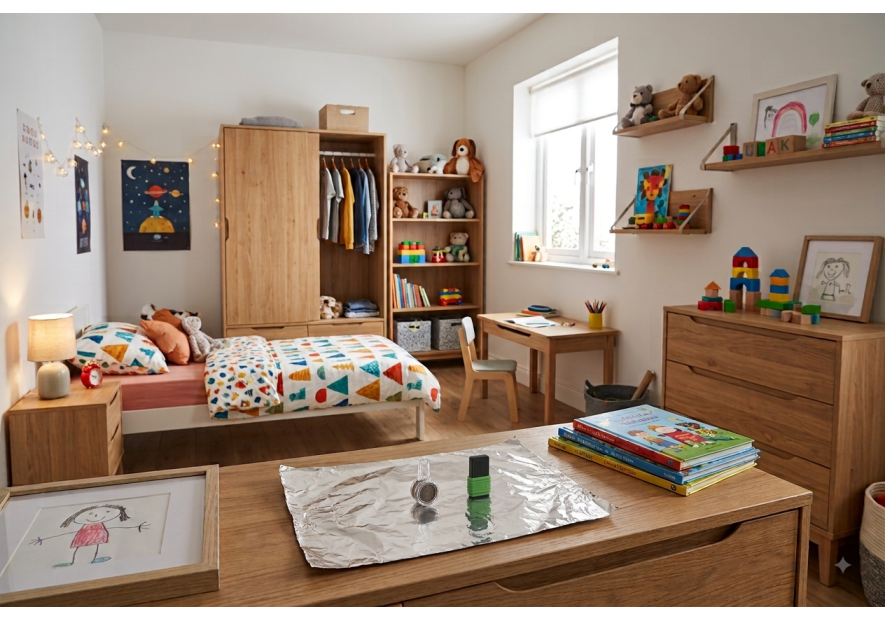
While indoor air is eventually naturally renewed through ventilation, pollutants deposited on floors, walls, ceilings, and furniture remain trapped. Dust thus acts as a veritable “memory” of contamination. Repeated inhalation of this resuspended dust, or its passive ingestion (particularly among young children), poses a long-term health risk to the occupants of the home.
Among the compounds analyzed to assess pollution following a fire, the class of polycyclic aromatic hydrocarbons (PAHs) is the primary indicator of environmental contamination.
Field Sampling: The Effectiveness of the Scan4Dust Sampler
Assessing indoor environmental quality after a disaster relies first and foremost on a rigorous sampling strategy. Using the specialized Scan4Dust sampler allows for the collection of settled dust in a representative manner, without altering the sample or introducing cross-contamination.
The device collects dust deposits from various surfaces throughout the home (floors, furniture tops, upholstery). The raw sample collected in this way is then hermetically sealed and shipped to the testing laboratory for specialized analysis.
The Analytical Protocol: From Sample Preparation to GC-MS Analysis
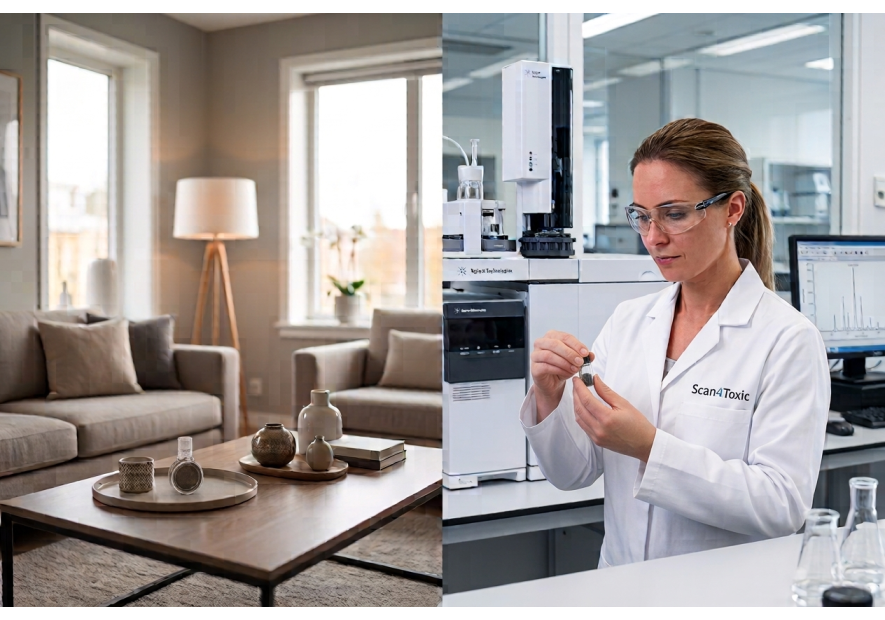
In the laboratory, the dust sample undergoes a meticulous preparation process that is essential before any quantitative analysis can be performed.
Selective Sieving
The raw sample collected contains particles of highly variable sizes (fibers, coarse debris, dust). The laboratory screens the sample to retain only the finest fraction of dust. It is these fine microparticles that contain the majority of PAHs and pose the greatest risk of inhalation or ingestion.
Chemical solvent extraction
Once the fine fraction has been isolated, the resulting powder undergoes chemical extraction using an organic solvent. This treatment breaks the chemical bonds that bind pollutants to dust and soil particles and solubilizes all PAHs trapped in the solid matrix. The resulting liquid extract is then clarified and filtered.
Analysis by gas chromatography and mass spectrometry (GC-MS)
The filtered extract is injected into a high-precision analytical system that combines gas chromatography with mass spectrometry:
Gas chromatography (GC): The complex mixture is vaporized and then carried by a carrier gas through a capillary column. The various substances are physically separated from one another based on their volatility and chemical structure.
Mass spectrometry (MS): Upon exiting the column, each compound is ionized and fragmented. Mass spectrometry allows for the unambiguous identification of each PAH based on its characteristic spectral fingerprint, while providing extremely sensitive quantification (expressed in µg/g of dust).
Targeting PAHs and Interpreting the Results
Pollution analysis following a fire focuses primarily on the 16 PAHs listed in the U.S. EPA (U.S. Environmental Protection Agency) regulatory list, which are internationally recognized for their toxicity and persistence (notably benzo[a]pyrene, chrysene, and fluoranthene).
The raw data obtained is compiled into an expert report. To determine whether the residence requires thorough professional decontamination, the measured concentrations are compared to statistical reference ranges representing normal living conditions. This objective assessment helps validate the effectiveness of the cleanup work or justify coverage by insurance companies.
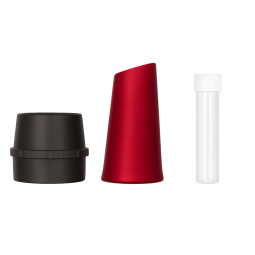
Scan4Dust - Dust Collector Scan4Dust - Dust Collector
The Scan4Toxic sampling kit allows you to collect a dust...
The Scan4Toxic sampling kit allows you to collect a dust sample to assess indoor air quality in your home. Dust contains many toxic chemicals, and analyzing it helps you take steps to protect your health on a daily basis. This sample collection kit does not include analysis of your dust sample....
Price €49.00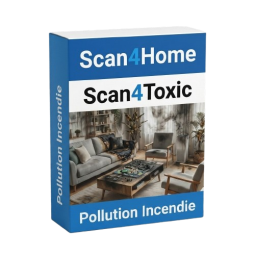

Scan4Home - Fire Pollution Scan4Home - Fire Pollution
This testing kit allows you to measure the level of...
This testing kit allows you to measure the level of carcinogenic combustion residues in your indoor environment following a fire. Your dust sample is analyzed in a laboratory for Polycyclic Aromatic Hydrocarbons (PAHs).
Price €199.00 Regular price €249.00