

Indoor Air Pollution After a Wildfire: Seeking Compensation for the Risks Posed by Wildfire Smoke
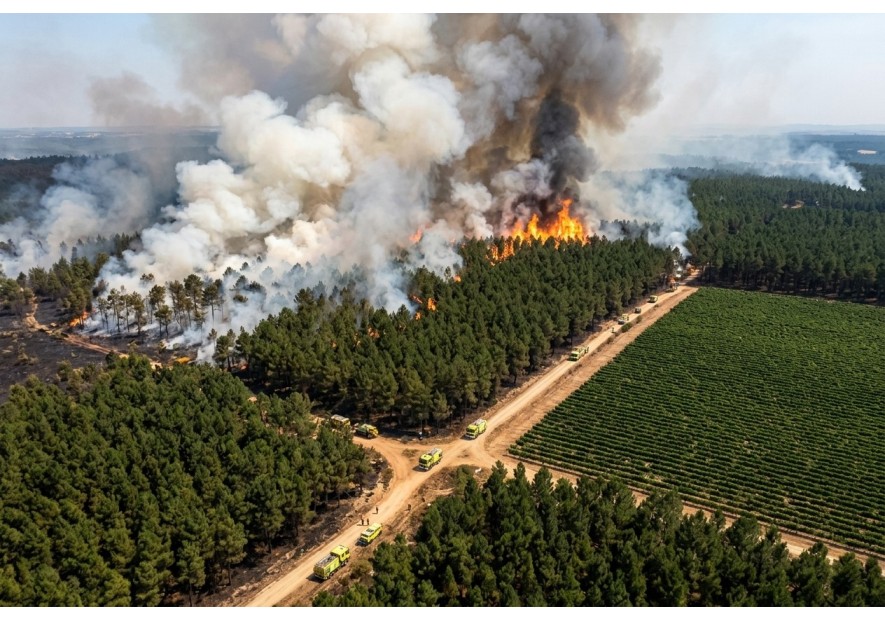
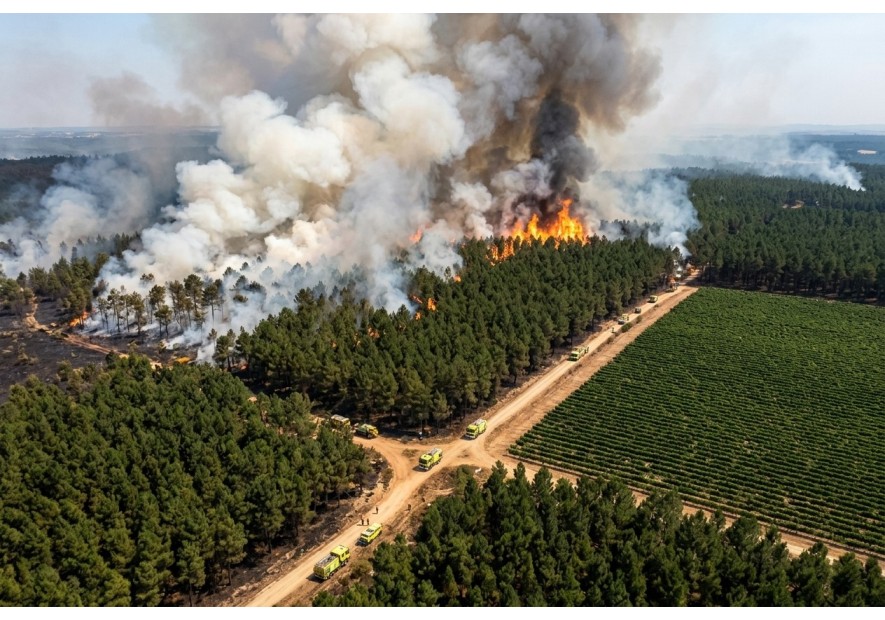
The summer of 2026 remains etched in people’s memories for its dramatic intensity. An unprecedented series of extreme heat waves struck France, creating conditions ripe for a surge in devastating wildfires. While images of hectares of vegetation going up in smoke made headlines across the media, a quieter tragedy unfolded inside people’s homes. Whether located in the immediate vicinity of the burning areas or dozens of kilometers away in the path of the smoke plumes, a great many homes were inundated with soot and toxic particles.
Long after the last flames have died down, the issue of compensation and smoke damage emerges as a major financial and health concern for affected homeowners and tenants.
The Invisible Danger: The Toxicity of Smoke and Soot
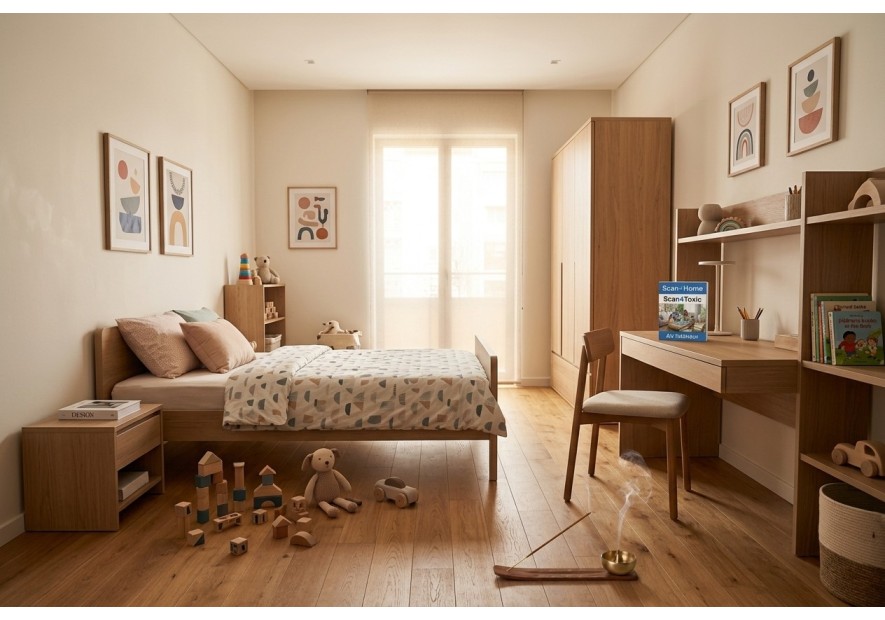
When a forest or wildland fire burns natural areas as well as infrastructure, the incomplete combustion of organic matter produces a complex and extremely harmful chemical mixture. Even when a home has suffered no direct structural damage from the flames, smoke seeps in through ventilation systems, openings, and even the tiniest cracks. It leaves a thin layer of dark soot on floors, walls, textiles, and furniture.
Polycyclic Aromatic Hydrocarbons (PAHs)
PAHs are a family of several hundred chemical compounds consisting solely of carbon and hydrogen. They are formed during the incomplete combustion of organic matter at high temperatures (wood, vegetation, plastics, fuels). Among them, benzo[a]pyrene is the most well-documented.
The effects of PAHs on human health are serious and well-documented:
- Mutagens and carcinogens: Classified by the International Agency for Research on Cancer (IARC), many PAHs are directly responsible for an increased risk of cancer (particularly lung, skin, and bladder cancers).
- Systemic toxicity: Prolonged exposure, even to low daily doses via dust settled in a home, can lead to immune system dysfunction and fertility problems.
- Persistence in indoor environments: Unlike the simple smell of burning, which can dissipate with ventilation, PAHs become permanently bound to household dust and are resuspended every time someone walks through the room or during cleaning.
Fine particulate matter (PM2.5 and PM10)
In addition to PAHs, combustion releases enormous amounts of fine particulate matter. Because of their microscopic size, these particles penetrate deep into the respiratory system, reaching the pulmonary alveoli and even entering the bloodstream. They cause:
- Acute asthma attacks and exacerbations of chronic respiratory diseases (COPD).
- Cardiovascular inflammation that increases the risk of heart attack or stroke.
- Severe irritation of the eyes, throat, and upper respiratory tract.
Coverage under home insurance: What does your policy say?
When faced with confirmed smoke damage, surface cleaning with standard household products is not enough. It is often necessary to hire a specialized decontamination company (which provides specialized high-pressure cleaning, surface treatment, encapsulation, professional HEPA vacuuming, replacement of mechanical ventilation filters, and air purification).
Whether you can receive compensation for smoke damage depends directly on the coverage included in your Comprehensive Home Insurance (MRH) policy:
- Smoke Damage Coverage: Often automatically included in “Fire” coverage, it covers damage caused by smoke, whether it originates from a fire that started inside the building or from an external event (such as a forest fire).
- Coverage of decontamination and cleanup costs: If evidence of contamination is provided, the insurer must reimburse the costs necessary to restore the residence to a condition free of health hazards.
- Natural Disaster Coverage: Under the decrees issued following the unprecedented fires of the summer of 2026, certain ancillary costs related to restoration may be covered depending on the legal classification applied.
However, in practice, experts appointed by insurance companies sometimes rely solely on a visual inspection. If no obvious black marks are visible on the painted walls, they may conclude that there is no damage, overlooking the presence of invisible PAHs deposited on the floor or embedded in the furniture.
The Scientific Evidence: The Contribution of the Scan4Toxic Analysis
To claim compensation for smoke damage caused by a fire, you must provide concrete evidence that your home has been contaminated beyond acceptable levels and poses a direct risk to the health of its occupants, particularly children.
This is where the Scan4Toxic Fire Pollution testing kits come in:
- Precision sampling: The kit allows you to collect a sample of dust deposited on the floor or on surfaces in a standardized and rigorous manner.
- Laboratory analysis (GC-MS): The sample is analyzed by a specialized laboratory using gas chromatography coupled with mass spectrometry, allowing for precise quantification of the various PAHs present.
- Certified and indisputable report: You will receive a detailed analysis report comparing the contamination level to health standards.
This document constitutes factual scientific evidence. When submitted to your insurance company or attached to the insurance claim, the test report neutralizes arbitrary disputes by demonstrating the actual health hazard in the home. It thus compels the insurer to cover the essential professional decontamination services.
Recommended Steps for Disaster Victims
1. Check your insurance policy immediately: Review the provisions regarding damage caused by external smoke and the maximum coverage limits for cleanup costs.
2. Test for contamination: Order and use a Scan4Toxic kit to collect dust samples from your home before any major cleaning that could destroy evidence.
3. Report the claim to the insurer: Include the analysis report with your claim to document the PAH contamination and the health risks to your household.
4. Insist on appropriate decontamination work: Reject superficial solutions and insist on a certified cleaning protocol that will permanently remove toxic residues.
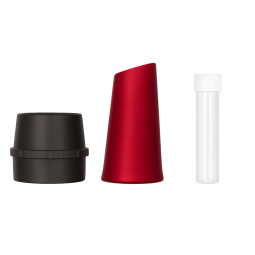
Scan4Dust - Dust Collector Scan4Dust - Dust Collector
The Scan4Toxic sampling kit allows you to collect a dust...
The Scan4Toxic sampling kit allows you to collect a dust sample to assess indoor air quality in your home. Dust contains many toxic chemicals, and analyzing it helps you take steps to protect your health on a daily basis. This sample collection kit does not include analysis of your dust sample....
Price €49.00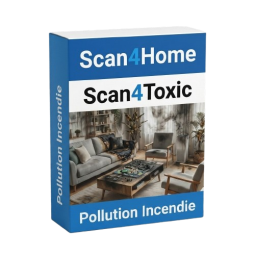
Scan4Home - Fire Pollution Scan4Home - Fire Pollution
This testing kit allows you to measure the level of...
This testing kit allows you to measure the level of carcinogenic combustion residues in your indoor environment following a fire. Your dust sample is analyzed in a laboratory for Polycyclic Aromatic Hydrocarbons (PAHs).
Price €199.00 Regular price €249.00

Scan4Home - VOC Scan4Home - VOC
Comprehensive testing kit to measure Volatile Organic...
Comprehensive testing kit to measure Volatile Organic Compounds (VOCs) in indoor air of homes or offices and to assess the indoor air quality. Measures over 30 VOCs. Indoor air contains many toxic chemicals, and testing it allows you to take steps to protect your health on a daily basis.
Price €199.00