

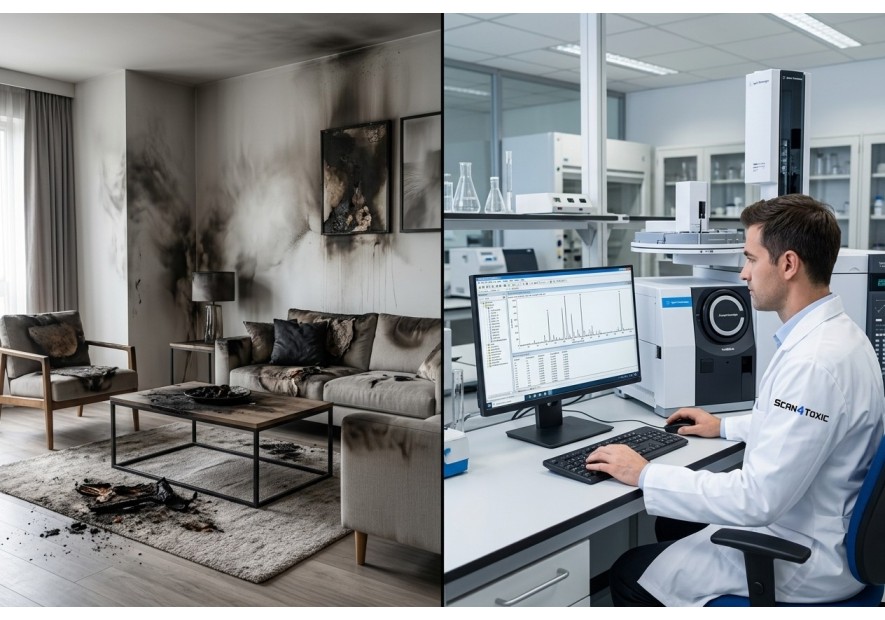
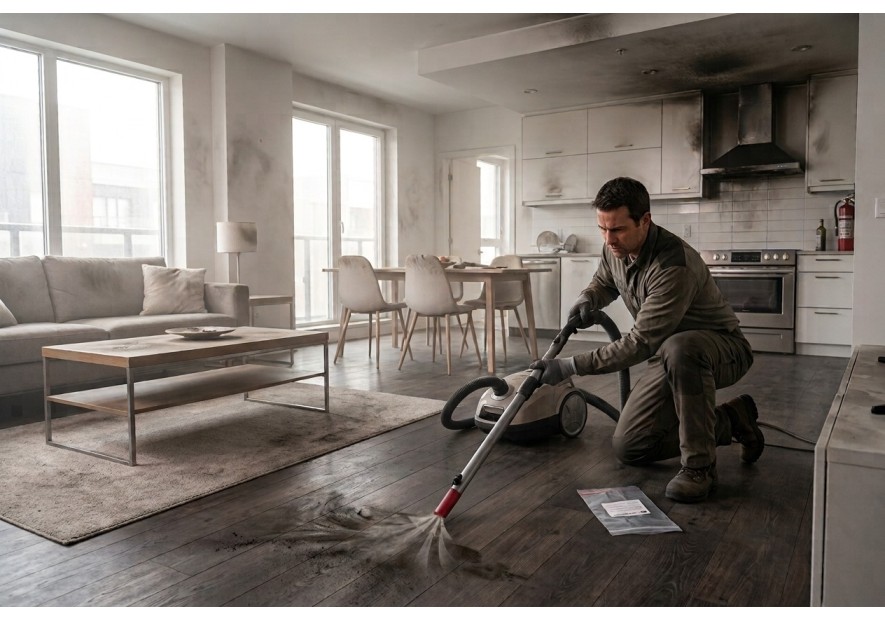

How are VOCs analyzed in your indoor air?
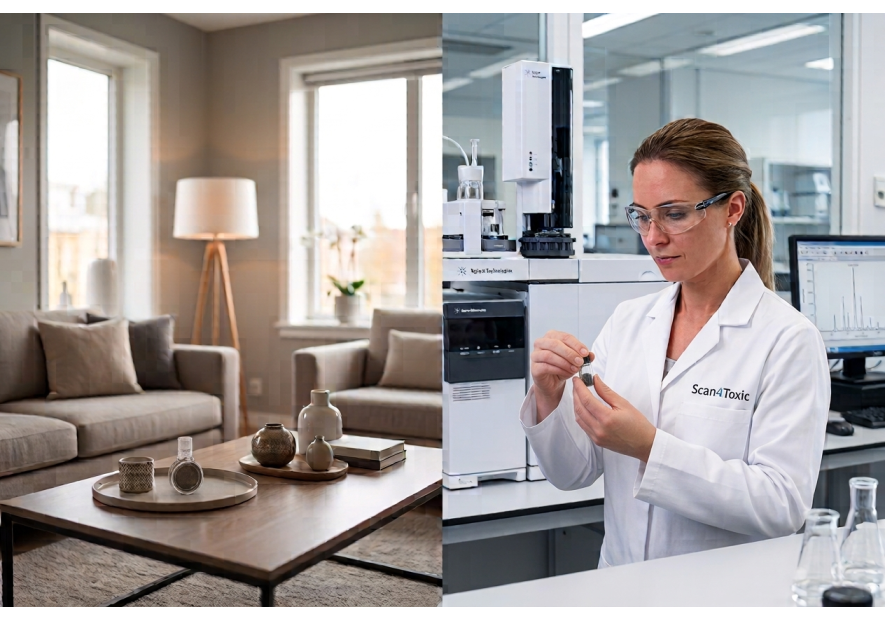
On average, we spend more than 80% of our time in enclosed spaces: homes, offices, schools, or vehicles. Yet indoor air is often more polluted than outdoor air. Among the many invisible air pollutants that affect our daily environment, Volatile Organic Compounds (VOCs) play a major role. Understanding their sources and conducting a thorough VOC analysis is an essential step in protecting your health and improving the air quality in your home.
What are Volatile Organic Compounds (VOCs)?
VOCs are a large chemical family of carbon-containing molecules characterized by high volatility at room temperature. This physical property allows them to evaporate very easily into the air from liquid or solid sources, thus effortlessly infiltrating our living spaces.
There is a vast variety of VOCs, but several key subfamilies are closely monitored in residential settings:
Aromatic hydrocarbons (BTEX): Benzene, toluene, ethylbenzene, and xylenes come primarily from fuels, combustion fumes (tobacco, candles, incense), and certain coatings. Benzene, in particular, is classified as a known carcinogen.
Chlorinated solvents: Trichloroethylene and perchloroethylene are widely used for industrial degreasing, dry cleaning of textiles, and as ingredients in certain DIY products or paint strippers.
Hydrocarbons: Decane and undecane are heavy alkanes frequently emitted by hardwood floors, sealed hardwood floors, floor polishes, furniture adhesives, and petroleum derivatives used in synthetic paints.
Prolonged exposure to these molecules can cause respiratory tract irritation, headaches, nausea, and even more serious chronic conditions such as cancer or neurological disorders when concentrations exceed health reference values.
The Scan4Air Sampler: The Key Role of Activated Carbon
To conduct a representative and accurate VOC analysis, the on-site sampling phase is critical. The Scan4Air sampler used by Scan4Toxic is specifically designed to detect these volatile molecules present in the ambient air.
At the heart of this system is a highly effective absorbent material: activated carbon. Thanks to its extremely high porosity and considerable specific surface area, activated carbon has a strong chemical affinity for organic substances. When air flows around or through the sensor, the activated carbon effectively traps and binds the VOC molecules present in the room. This process ensures that pollutants are reliably bound throughout the entire measurement period, without compromising the sample.
Laboratory Preparation: Chemical Desorption
Once the sensor has been exposed and returned to the testing laboratory, the first step in the analysis is to extract the trapped compounds.
To achieve this, activated carbon is brought into contact with a specific organic solvent to induce chemical desorption. Under the influence of the solvent, the attractive forces holding the pollutants to the porous surface are broken. This chemical desorption is quantitative: virtually all of the VOCs bound to the activated carbon are transferred in a precisely controlled manner into the liquid phase. After a meticulous filtration process to remove all solid charcoal particles, the clear extract containing all the pollutants is ready for analytical testing.
L'analyse par GC-MS : séparation, identification et quantification
The liquid extract is then injected into a state-of-the-art instrument: a gas chromatograph coupled with a mass spectrometer (GC-MS). This combination of instruments is the gold standard in analytical chemistry for detecting volatile pollutants.
The Principle of Gas Chromatography (GC)
The sample is vaporized and then carried by a carrier gas through a capillary column. Depending on their chemical structure, molecular weight, and polarity, the various substances travel at different speeds. This step allows for the physical separation of each compound present in the initial mixture. At the column outlet, each pollutant appears as a “chromatographic peak.”
Accurate quantification
The relationship between the area of a chromatographic peak and the amount of material injected is strictly exact. By comparing the area of each peak with reference standards prepared at very precisely known concentrations, the laboratory measures the exact amount of each pollutant sampled.
Mass Spectrometry (MS)
Mass spectrometry is particularly well-suited for VOC analysis due to its extremely high sensitivity. As the molecules pass through the detector, they are ionized and fragmented. Each compound then produces a mass spectrum that constitutes a unique “spectral fingerprint.” This signature allows for the definitive identification of the molecule present (distinguishing trichloroethylene unambiguously from benzene or decane, for example), thereby eliminating any risk of false positives.
Reliable results interpreted in relation to health standards
The analytical method used by Scan4Toxic is extremely reliable and measures VOC concentrations in indoor air with very high precision, expressed in micrograms per cubic meter (µg/m³).
Once the analyses are complete, the data is provided to the client in the form of a comprehensive and informative report. To put the numbers into context, each measured concentration is directly interpreted in relation to reference values and exposure thresholds recognized by health authorities (such as ANSES or the High Council for Public Health).
Thanks to this clear assessment, you’ll know exactly what your indoor air quality is like and have the advice you need to eliminate the sources of pollution identified in your daily life.
Scan4Home - VOC Scan4Home - VOC
Comprehensive testing kit to measure Volatile Organic...
Comprehensive testing kit to measure Volatile Organic Compounds (VOCs) in indoor air of homes or offices and to assess the indoor air quality. Measures over 30 VOCs. Indoor air contains many toxic chemicals, and testing it allows you to take steps to protect your health on a daily basis.
Price €199.00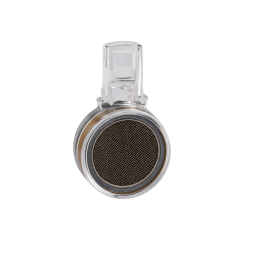
Scan4Air - VOC Sampler Scan4Air - VOC Sampler
The Scan4Toxic device allows you to collect an air sample to...
The Scan4Toxic device allows you to collect an air sample to assess indoor air pollution in your home caused by Volatile Organic Compounds (VOCs) or to assess occupational exposure in the workplace. Indoor air contains many toxic chemicals, and analyzing it enables you to take action to protect...
Price €49.00

Scan4Air Kit - VOC Screening Scan4Air Kit - VOC Screening
Complete analysis kit for measuring air quality in workplaces...
Complete analysis kit for measuring air quality in workplaces and occupational exposure to VOCs. Exposure to VOCs can cause occupational diseases.
Price €499.00