

Phthalates, Reprotoxic Effects, and Fertility: Understanding Silent Exposure
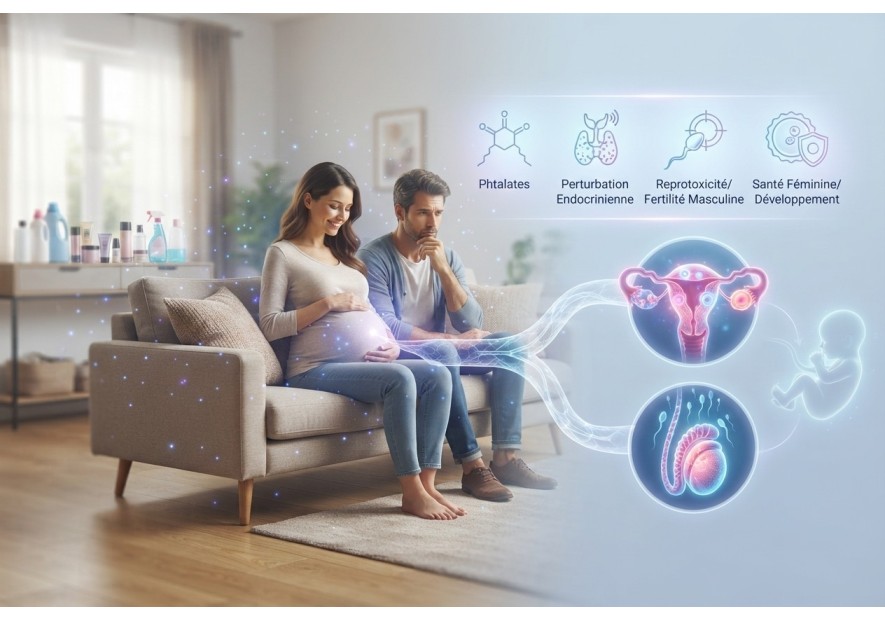
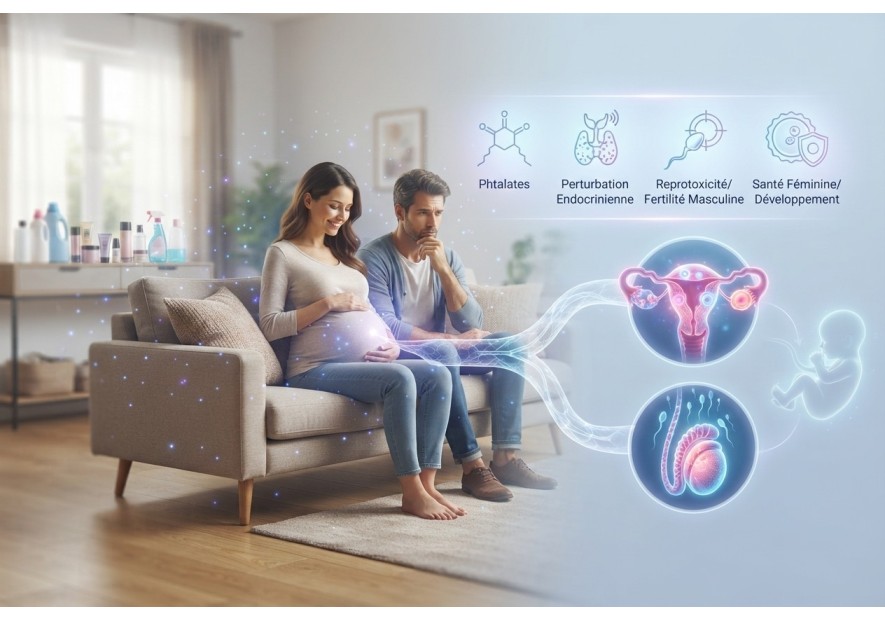
In our modern daily lives, we are significantly exposed to phthalate-based plasticizers. Whether in flooring, food packaging, cables, soft toys, or personal care and beauty products, these molecules are found everywhere in our homes and daily routines. At a time when couples are considering starting a family, examining the link between reproductive toxicity and fertility has become essential to better protect reproductive health.
What are phthalates, and which ones are we most exposed to?
Phthalates are chemical compounds derived from phthalic acid, used primarily as plasticizers to soften plastics, particularly PVC, or as solvents and fixatives in certain liquid formulations. Since they are not permanently bound to the polymer matrix, they gradually migrate into the ambient air, household dust, food, and skin.
Among the phthalates to which the general public is most frequently exposed are:
DEHP (Di-Ethyl-Hexyl Phthalate) and DEHTP (Di-Ethyl-Hexyl Terephthalate): Widely found in flexible plastics, coatings, equipment, and cables, DEHP is a long-established phthalate subject to strict regulations, while DEHTP has become widely adopted as an industrial substitute.
DnBP (Di-n-butyl phthalate) and DiBP (Di-iso-butyl phthalate): Used in adhesives, inks, varnishes, coatings, and certain building and furniture materials.
DEP (Diethyl Phthalate): Frequently used as a solvent and fragrance fixative in cosmetics, lotions, deodorants, and nail polish.
BBzP (Butyl Benzyl Phthalate): Found in certain vinyl coatings, sealants, and synthetic leathers.
The Health Effects of Phthalates
Beyond their industrial uses, many phthalates are recognized as endocrine disruptors: they can interfere with the production, transport, metabolism, or action of natural hormones, particularly sex hormones (testosterone, estrogens) and thyroid hormones.
From a public health perspective, chronic exposure to these compounds is associated with several major risks:
Endocrine disruption: Alteration of hormone production, transport, and action, even at low doses following repeated exposure.
Reproductive toxicity: The ability to impair reproductive functions or embryonic and fetal development.
Other systemic effects: Suspected effects on children’s neurobehavioral development, metabolism, or certain hormone-dependent cancers, depending on the specific compounds involved.
How Phthalates Affect Human Fertility
In developed countries, the rise in cases of infertility and reproductive disorders has become a major public health issue. Yet the environmental causes of infertility are often underestimated compared to genetic factors, obesity, or factors related solely to age. Yet daily exposure to phthalates directly affects the reproductive system in both men and women.
In men
In men, several phthalates have an antiandrogenic effect, inhibiting the action of testosterone. Epidemiological and toxicological studies link them to impaired spermatogenesis: decreased sperm concentration or motility, increased morphological abnormalities, and weakened sperm DNA. When exposure occurs in utero, it can also disrupt the development of male reproductive organs.
In women
In women, phthalates can disrupt the hypothalamic-pituitary-ovarian axis and ovarian steroidogenesis. This hormonal interference is linked to menstrual cycle irregularities, a decrease in ovarian reserve, impaired egg quality, a longer time to conceive, and an increased risk of early miscarriage or pregnancy complications.
Reducing Exposure to Protect Fertility and Children's Health
Given the extent of this widespread exposure, taking action in one’s daily environment is a practical and accessible step. Reducing exposure to phthalates can improve fertility by limiting hormonal disruptions that hinder conception, while also protecting embryonic and fetal development. By reducing this toxic burden from the moment you start planning to have a child and throughout pregnancy, you increase your chances of having a child and ensuring that child is healthy.
A few simple steps can help reduce this exposure in everyday life: regularly air out your home, vacuum with a high-performance filter to limit dust containing plasticizers, choose glass or stainless steel containers over flexible plastics, and limit the use of scented products or cosmetics containing phthalates.
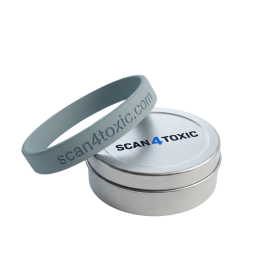
Scan4Health - PTS Wristband Scan4Health - PTS Wristband
This PST (Personal Toxic Sampler) Wristband developed by...
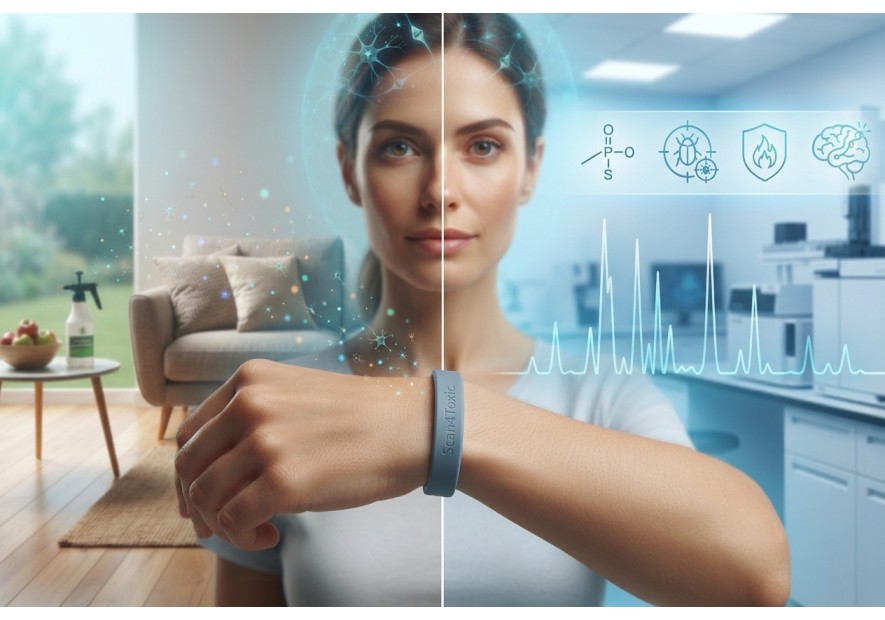
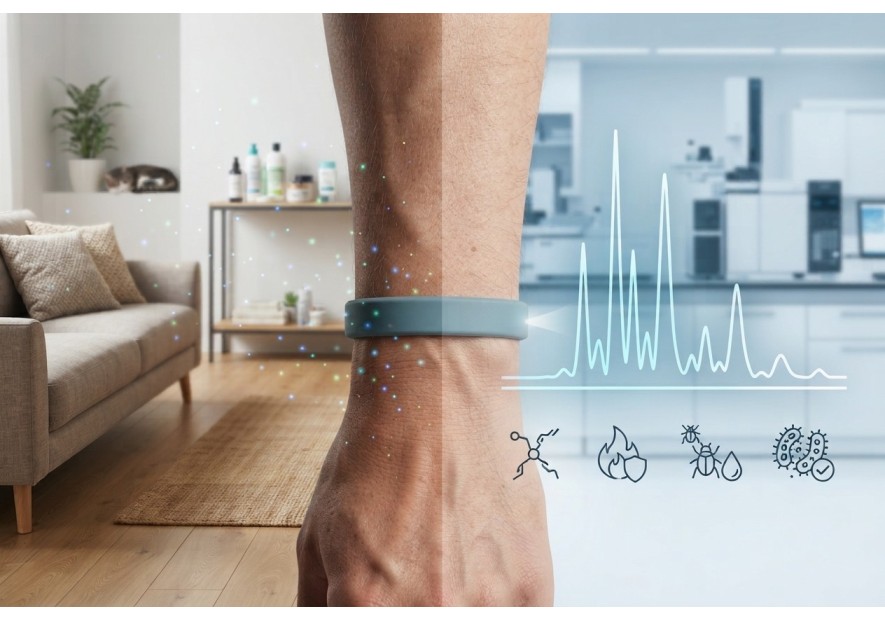
This PST (Personal Toxic Sampler) Wristband developed by Scan4Toxic is made from a highly adsorbent technological material. It effectively captures ambient pollution, and can be worn as a wristband to assess personal exposure to pollution. WARNING: This sampling kit does not include analysis of...
Price €29.00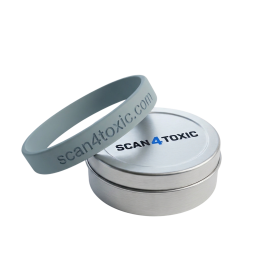

Scan4Health - Endocrine Disruptors - Fertility PTS Scan4Health - Endocrine Disruptors - Fertility PTS
Test kit with PTS Wristband to measure personal exposure to...
Test kit with PTS Wristband to measure personal exposure to the most common endocrine disruptors in our daily environment. The PTS wristband is made of a high-tech material with unique adsorbent properties that will capture the pollution to which you are exposed.
Price €149.00