

Ce que révèle mon exposome avec un bracelet PTS
Every day, our bodies come into contact with a multitude of invisible chemicals: in the air inside our homes, on surfaces in our offices, in our cosmetics, and during our daily commutes. All of these environmental, behavioral, and chemical exposures throughout our lives make up the exposome. Long difficult to measure on an individual level, this molecular world is now becoming understandable thanks to personal passive sensors. By wearing a PTS silicone wristband, it becomes possible to ask a concrete question: What does my exposome reveal?
PTS Silicone Wristband Technology and Chromatography and Mass Spectrometry Analysis
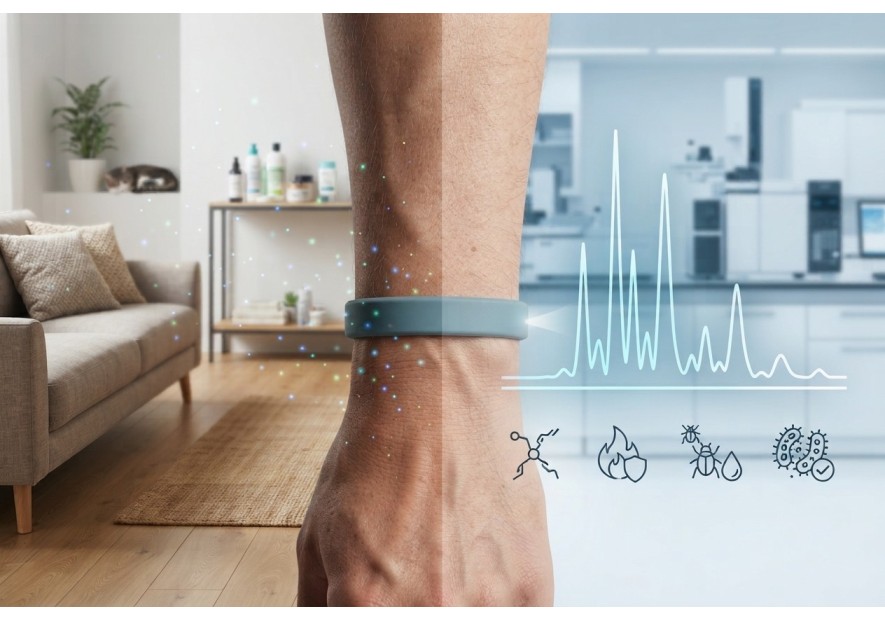
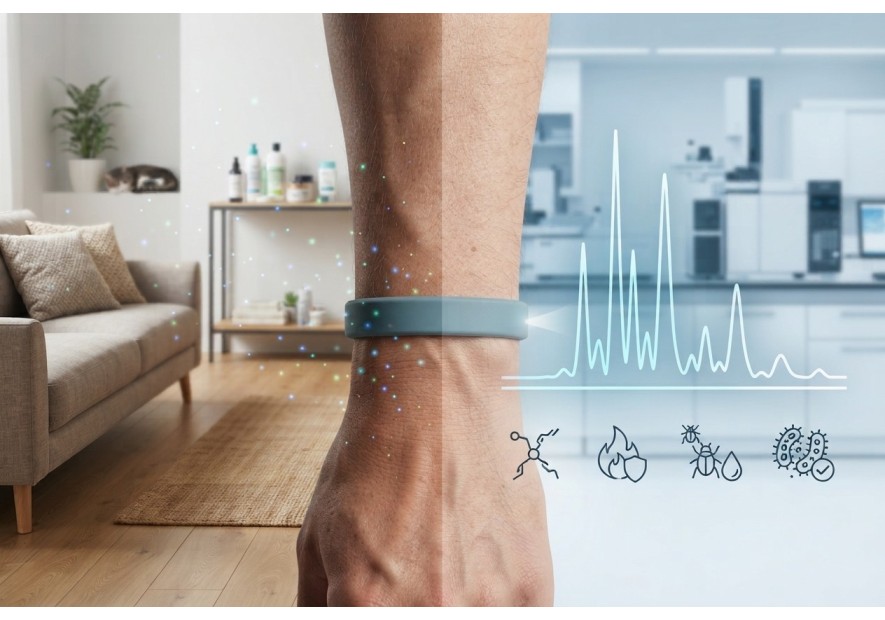
The PTS (Personal Toxic Sampler) silicone wristband is based on a simple yet ingenious biomimetic principle. Made of polydimethylsiloxane (PDMS), a silicone-based polymer, it mimics the affinity of the lipid layer of human skin for lipophilic molecules. When worn on the wrist for several consecutive days, it continuously captures semi-volatile organic compounds (SVOCs) present in the ambient air and in direct contact with surfaces, without requiring a battery, a pump, or an invasive biological sample.
Once the wearing period is over (7 days), the bracelet is sent to a laboratory for solvent extraction and then analyzed using chromatography coupled with mass spectrometry:
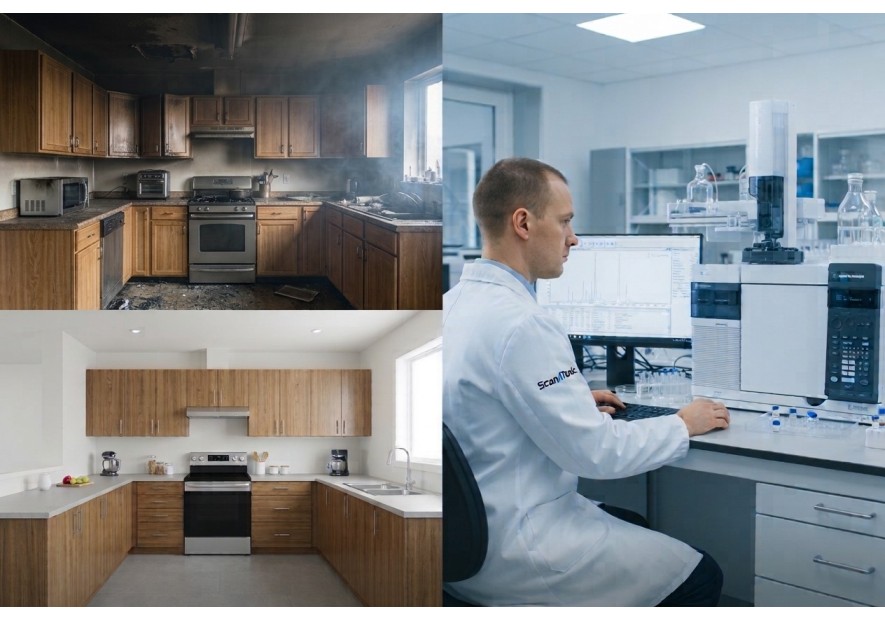
Chromatography separates the various compounds present in the extract based on their physicochemical properties, isolating each molecule as it passes through the analytical column.
Mass spectrometry formally identifies each substance based on its molecular mass signature and quantifies the mass accumulated on the sensor (expressed in nanograms per wristband, ng/wristband).
During this analysis, more than 800 chemicals were tested for, focusing primarily on phthalates (and related plasticizers), pesticides, and flame retardants, as well as other semi-volatile organic compounds such as certain antibacterial agents.
What the results of the PTS bracelet analysis reveal
Of the more than 800 molecules tested for, 33 substances were detected or quantified on the analyzed wristband, indicating multiple chemical exposure—a true “cocktail effect”—divided into four major groups:
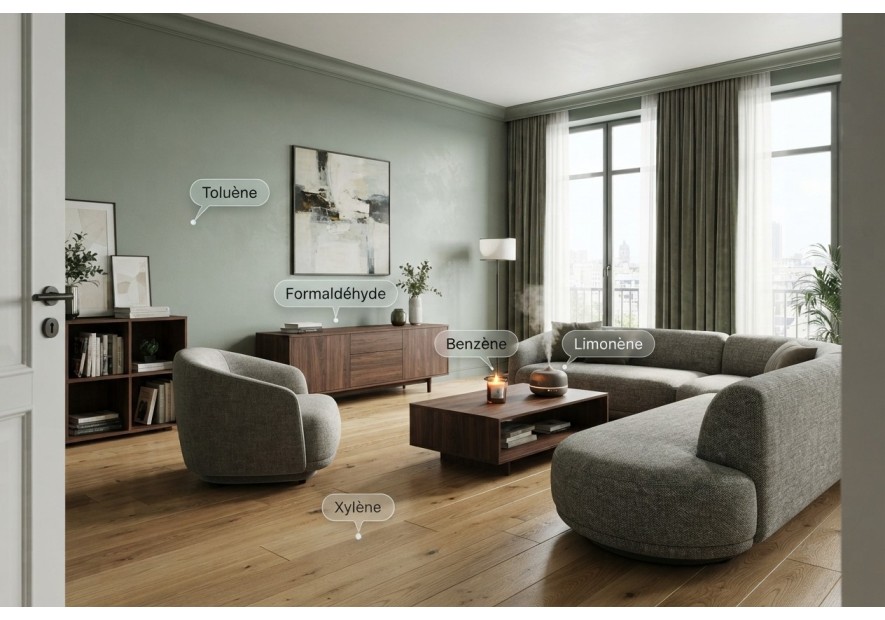
High levels of plasticizers (phthalates and substitutes): This is the largest group in terms of accumulated quantity, dominated by DEHTP (107,891 ng/wristband) and DEHP (15,064 ng/wristband), along with DiBP (5,275 ng), DnBP (3,724 ng), DEP (733 ng), and BBzP (443 ng), while DMP was detected in trace amounts. These molecules indicate regular exposure to flexible PVC plastics (floor coverings, cables, furniture, interior furnishings), adhesives or coatings, as well as perfumed cosmetics (DEP).
Significant exposure to organophosphorus flame retardants: Five compounds were detected or quantified, including TCiPrP (632 ng), TPhP (110 ng), TDCiPrP (104 ng), and ethylhexyl diphenyl phosphate (70.9 ng), along with traces of TCEP. These substances are released from polyurethane foam (sofas, mattresses, seats) and electronic enclosures and become trapped in indoor dust.
A mixture of 18 pesticides from various sources: Although their individual concentrations are lower than those of plasticizers, the diversity of the detected molecules reflects several potential sources: household and veterinary repellents or pesticides (permethrin at 118 ng, DEET at 73.6 ng, pyriproxyfen at 1.88 ng, traces of fipronil), agricultural or environmental residues or uses (spinosad at 4.34 ng, prosulfocarb at 1.02 ng, traces of azoxystrobin or pyrimethanil), or even older or restricted compounds (3-hydroxycarbofuran at 5.86 ng, propoxur at 3.97 ng, traces of diazinon), not to mention quinoline (67.7 ng).
Traces of antibacterial agents: The quantification of octylinone (26.8 ng) and the detection of benzisothiazolinone suggest the presence of biocidal preservatives found in paints, household products, adhesives, or treated textiles.
What conclusions can we draw about the exhibition?
Taken as a whole, these results show that my chemical exposome is primarily shaped by chronic indoor exposure (at home, in the office, in the car), dominated by emissions from materials and plasticizers, and supplemented by the use of hygiene and cosmetic products and pest control products.
These values represent the cumulative mass absorbed by the silicone while the bracelet is worn, not a blood concentration, and there are no specific regulatory health thresholds for PTS bracelets. To turn these findings into action, cross-referencing this chemical profile with a questionnaire on lifestyle habits (recent furniture purchases, presence of treated pets, cosmetics used, time spent in the car or at the office) helps identify concrete steps to reduce this daily chemical footprint (regular ventilation, using a filter vacuum cleaner, reducing the use of flexible plastics and scented products).
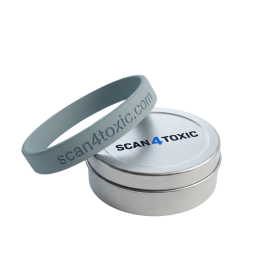
Scan4Health - PTS Wristband Scan4Health - PTS Wristband
This PST (Personal Toxic Sampler) Wristband developed by...
This PST (Personal Toxic Sampler) Wristband developed by Scan4Toxic is made from a highly adsorbent technological material. It effectively captures ambient pollution, and can be worn as a wristband to assess personal exposure to pollution. WARNING: This sampling kit does not include analysis of...
Price €29.00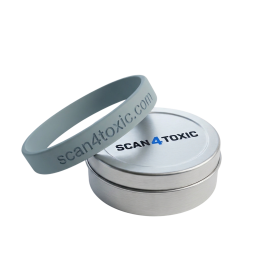
Scan4Health - Endocrine Disruptors - Fertility PTS Scan4Health - Endocrine Disruptors - Fertility PTS
Test kit with PTS Wristband to measure personal exposure to...
Test kit with PTS Wristband to measure personal exposure to the most common endocrine disruptors in our daily environment. The PTS wristband is made of a high-tech material with unique adsorbent properties that will capture the pollution to which you are exposed.
Price €149.00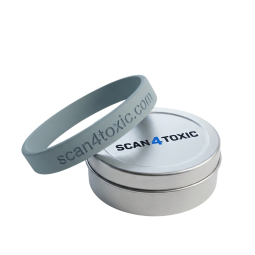

Scan4Health - Neurotoxins PTS Scan4Health - Neurotoxins PTS
Test kit with a PTS wristband to measure your personal...
Test kit with a PTS wristband to measure your personal exposure to the most common neurotoxic substances in our everyday environment. The PTS wristband is made of a high-tech material with unique adsorbent properties that capture the pollution you are exposed to.
Price €199.00